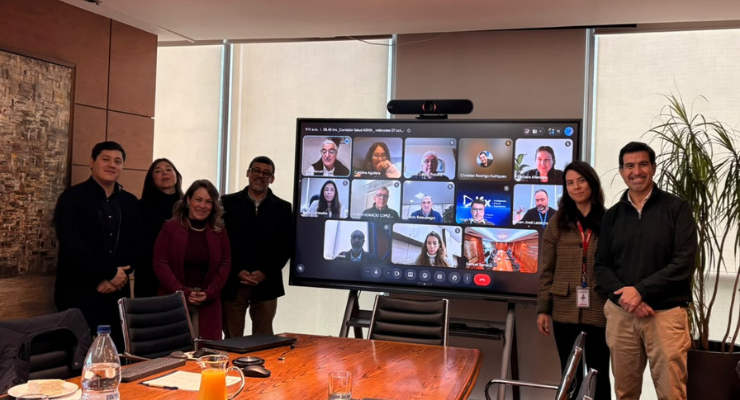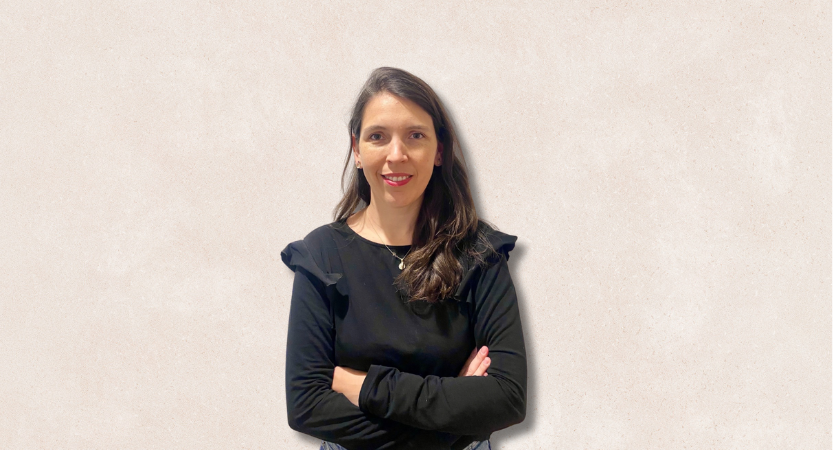
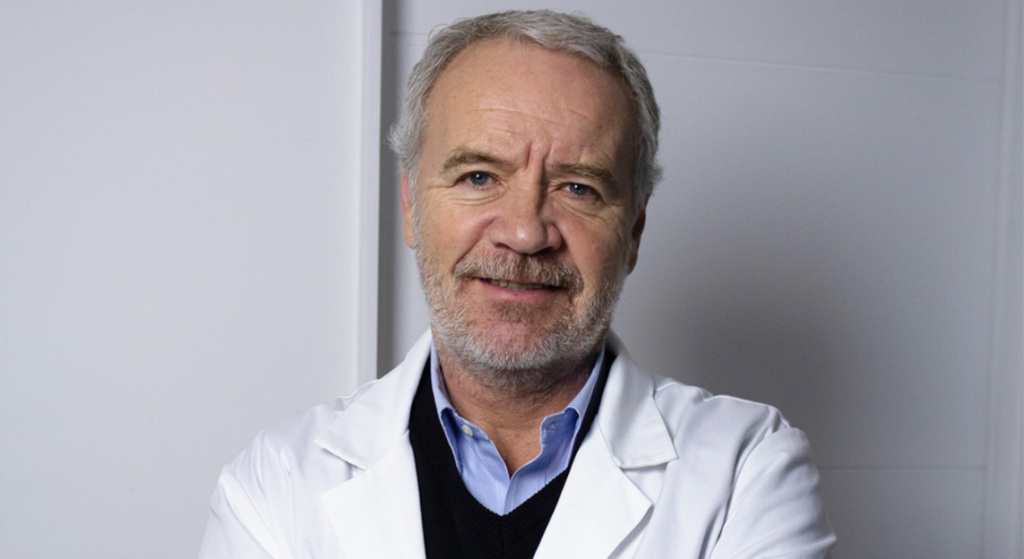
Dr. Renato Gana has been associated with Corporación Mater since its inception. As a pediatric urologist, he participated in the first surgical campaigns and has been part of an initiative that aims to provide specialized surgery to children living in regions where treating certain conditions can be much more difficult.
We spoke with him about his motivations, the significance of participating in the operations, Mater’s contribution, and why he would recommend that other specialists join Mater as volunteers.
How did you end up at Mater, and what motivated you to participate?
I have worked with José Manuel Escala since the early days of Corporación Mater, mainly on field operations. I was part of the first operation and have continued to participate whenever possible.
What motivated me to join the project was the opportunity to help perform complex surgeries in rural areas and bring some healthcare to places where access to this type of care is more difficult. Our specialty focuses on rare conditions, and there are often major cities where—due to low incidence rates or a lack of specialists—some cases cannot be easily resolved or require additional support.
That was the main motivation: to help wherever our knowledge and experience were needed, and to help reduce waiting lists.
Many years have passed since then. What has kept you connected to Mater?
I believe that for something to stand the test of time, it also has to make sense to you as a person and as a professional. I love social work; I like helping others, and field operations are also a very enriching experience.
In Santiago, at the hospitals where I work, I perform a lot of complex surgeries. That’s why bringing that experience to regions where such access is sometimes lacking is what keeps me motivated.
There’s also personal satisfaction—the chance to maintain and share your expertise, encounter new cases, and help people. To sustain that kind of commitment over time, I think it has to be fulfilling for you, too, in the best sense of the word: feeling that you’re contributing, learning, and putting your training to use where it’s truly needed.
What is it like to participate in a Mater operation?
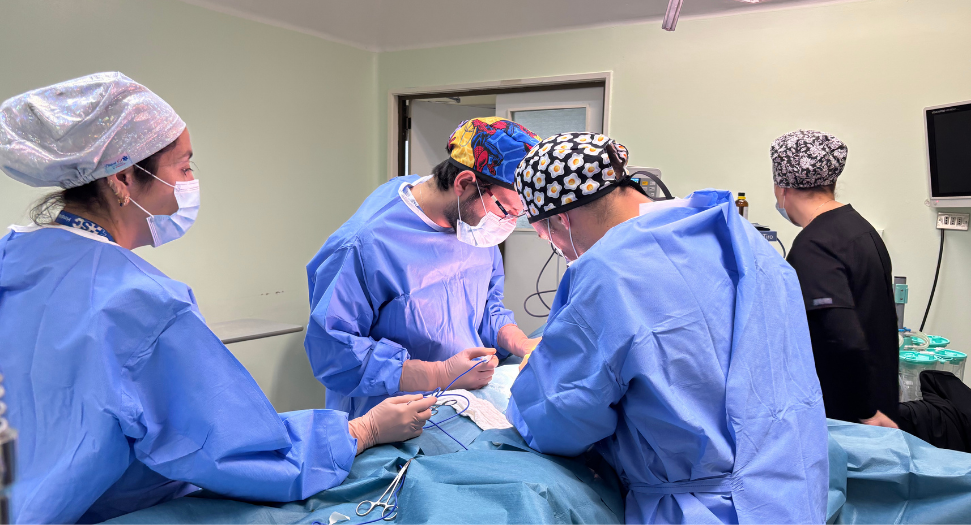
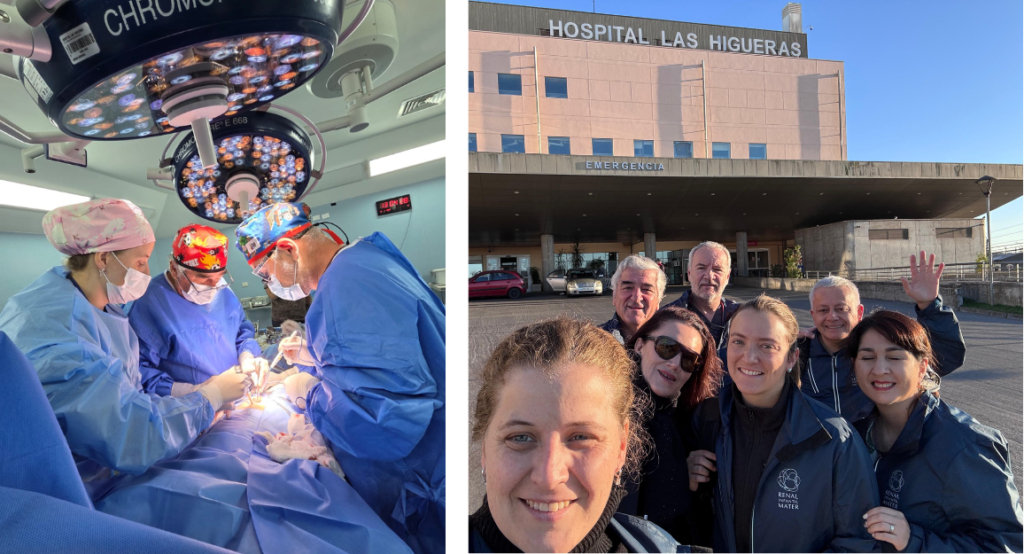
It's a fun and very intense experience. You go with friends, with surgeons you know, and with highly dedicated teams from Mater. There's also a nice social aspect to it: spending time with the locals, going out to eat, and chatting.
The job is tough because we often perform complex surgeries and spend a lot of time in the operating room dealing with challenging cases. But that combination of demanding work, camaraderie, and a sense of purpose gives the operating room a special energy.
Tell us what that special energy is like that arises during operations
There is something magical about a group of people coming together to try to do good. And in this field, you receive wonderful feedback: gratitude from patients, their parents, local surgeons, and hospitals.
A rich sense of purpose is fostered because everyone understands that they are working together to achieve something important. It's not just the surgery; it's also what that surgery means for a child's life and that of his or her family.
What would you say to other doctors to encourage them to join as volunteers?
I would tell them that it’s an entertaining, challenging, and very meaningful experience. There’s a lot of work, there are interesting cases, and, ultimately, that’s what you studied for: to help other people, solve complex problems, and put the surgical techniques you’ve learned to use in the service of others.
I think those are very compelling reasons for any doctor to be excited about an experience like this. Taking part in a medical mission allows you to reconnect with the deepest purpose of the profession.
Can you recall any cases that have had a particularly strong impact on you?
I remember two. One was a patient with Prune Belly syndrome whom we operated on in Victoria. It was a very complex case—a challenging surgery—and the patient recovered very well. He had to spend his postoperative recovery in Temuco, and it was a very significant case.
I also remember a girl with an ectopic ureter. In those cases, the ureter doesn’t connect properly to the bladder; it might end up in the vagina, for example, and that causes the girls to be incontinent—they’re wet all day long. We performed a heminephrectomy on her, and she improved immediately. She was already continent during her postoperative recovery. Her parents were incredibly grateful. It was very heartening to see how a complex surgery could change her life in such a tangible way.
What message would you leave for the Mater community?
I just want to say thank you. Thank you to the entire Mater team, to José Manuel, to the nurses, to the coordinators, and to everyone who makes this project—which is difficult to sustain over time—possible.
Doing good is a delicate matter. It's not always easy—you have to coordinate with teams, overcome challenges, and be very careful about how you go about your work. I think Mater has found a wonderful way to do it.
It's a wonderful initiative, and I'm grateful that they continue to invite me to be a part of it.