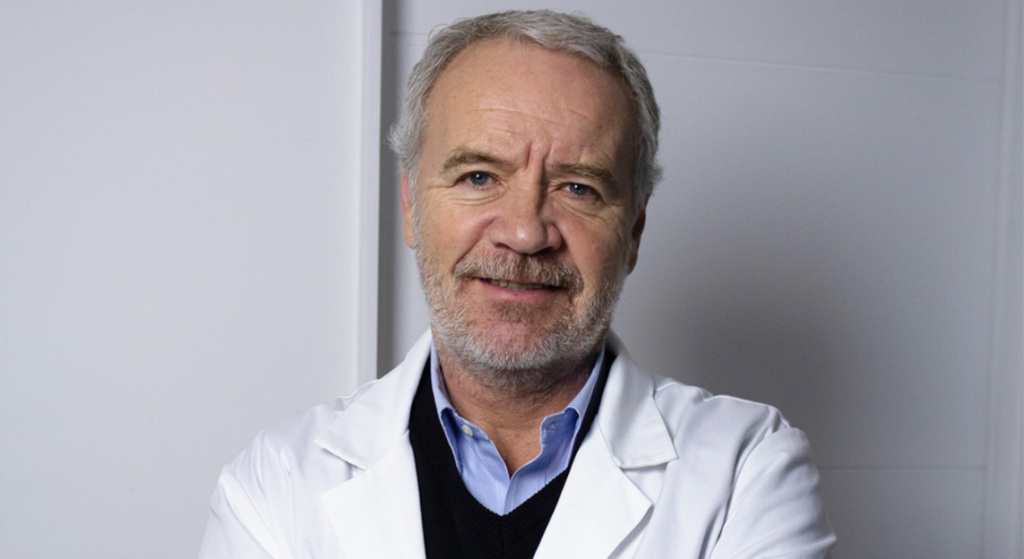
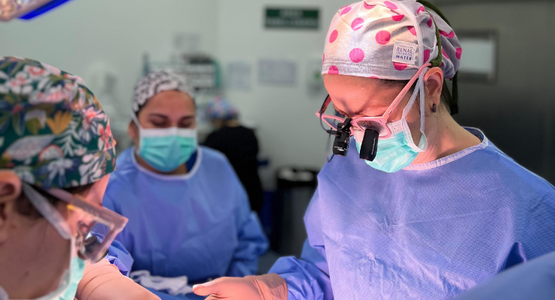
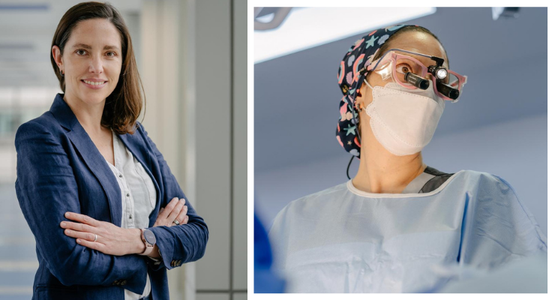
Dr. Francisca Yankovic is a pediatric surgeon and urologist who trained at the University of Chile and completed a subspecialty fellowship at Great Ormond Street Hospital in London. An associate professor at the University of Chile, director of the Pediatric Urology training program, and past president of the Chilean Society of Pediatric Surgery, she has firsthand knowledge of the challenges faced by children with complex urological conditions. For nearly a decade, she has volunteered with Corporación MATER, an experience that has confirmed to her that improving access to healthcare can change a life.
How did your relationship with Corporación MATER begin?
I first learned about MATER when I returned from my training in England and began working at Dr. Exequiel González Cortés Hospital. Since then, I have seen how the Corporation has been a constant presence, first by supporting diagnosis and, later, by promoting surgical procedures and strengthening our daily work.
Today, that support is an integral part of our operations. Thanks to the ward staff funded by MATER, we have been able to maintain a steady surgical workload and significantly reduce our waiting lists. In addition, the Corporation recently made it possible to hire a nurse coordinator for our interdisciplinary neurogenic bladder clinic, which has been of enormous benefit to patients and their families.
What motivated you to become a volunteer?
I realized that MATER provides direct, concrete, and highly effective assistance to patients. Children often need quick solutions, and the public healthcare system, due to its very structure, does not always have the flexibility to respond that quickly. MATER allows us to develop projects that have an immediate impact on children’s lives and, at the same time, gives us the opportunity to use our work to help those who need it most.
You've been participating in MATER operations for about eight years. What makes this experience still so meaningful to you?
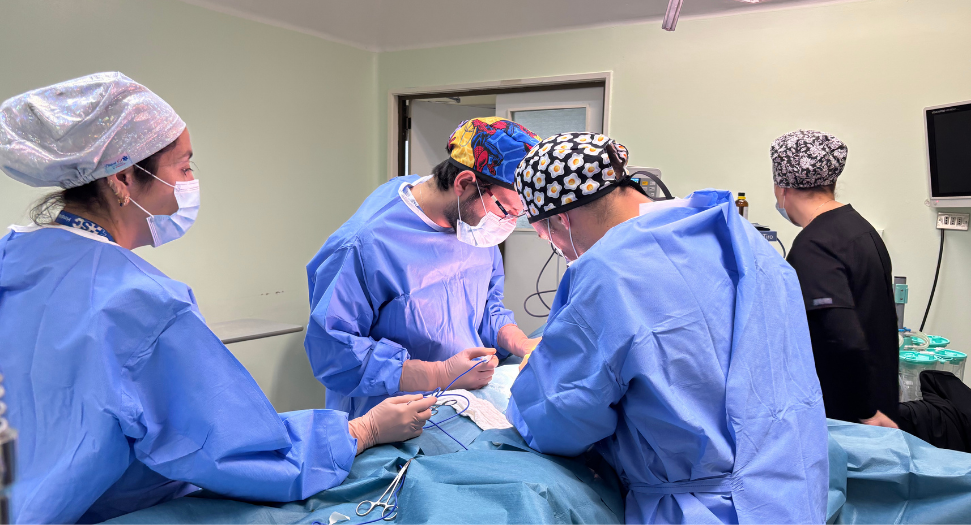
These medical campaigns are truly special because they create a virtuous cycle. First and foremost, of course, they help resolve the health issues of children who have often been waiting months or even years for surgery and who now have access to top-tier specialists.
In addition, each mission is an opportunity to work alongside local teams, share knowledge, and strengthen their capabilities so they can continue to support these patients. That transfer of expertise is extremely valuable.
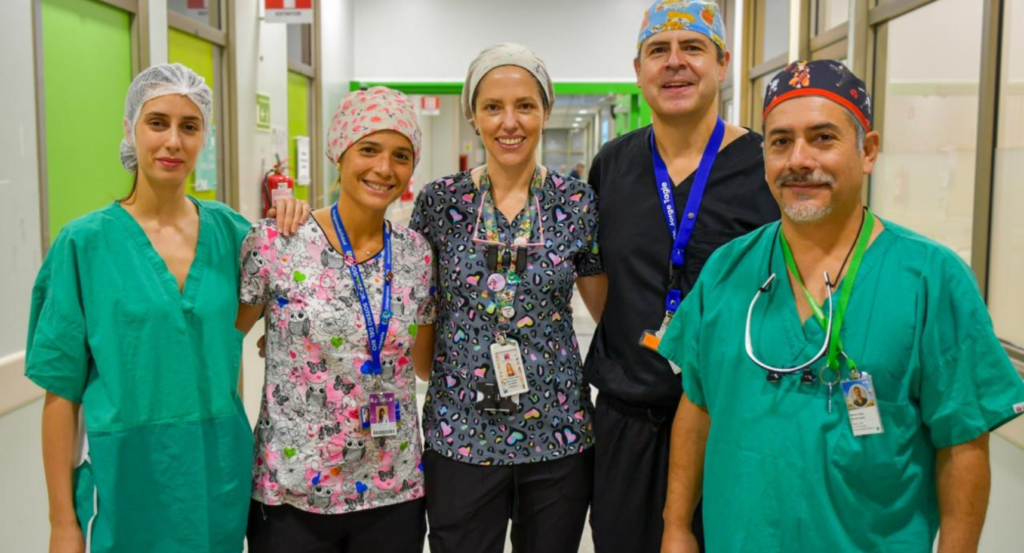
And there’s a really beautiful human element to it. Spending several days with other specialists, traveling together, and working toward a common goal creates very strong bonds: you feel useful because you’re doing good for the community. And you come back feeling like you’ve truly made a difference for a family.
You've worked in both the public and private sectors, and you received your training in England. What lessons have you learned from those experiences?
My main takeaway is that the biggest challenge lies in patients’ access to specialists. The public health system has highly dedicated professionals with the necessary experience to handle complex cases, but families often face difficulties in reaching them in a timely manner.
When that happens, diagnoses and treatments are also delayed, especially in the case of congenital diseases, where time can make a significant difference in children’s quality of life.
My experience in England also showed me the value of having much more organized referral networks for highly complex and rare conditions. These are diseases that require highly specialized teams and systems flexible enough to ensure that every child is referred to the right place at the right time. That is one of the challenges we still face in Chile.
Where do you think MATER can have the greatest impact in the coming years?
Precisely by helping to bridge that access gap. There are children with very complex medical conditions who require highly specialized care and who often face difficulties in getting to the right place. MATER can continue to help reduce those wait times and make it easier for families to find the support they need.
And how do you see MATER in ten years?
I dream that MATER can become a national leader in complex pediatric urology—a place where families know they can turn to when facing a rare disease, and from which care for these patients is coordinated throughout Chile.
Today we have tools such as telemedicine and much greater connectivity. This opens up the possibility of reaching every corner of the country, identifying these cases in a timely manner, and referring families to the most appropriate care teams.
What would you say to a doctor who is thinking about volunteering with MATER?
I would say to them: Join us, because this is a very concrete way to help those who need it most and build a more equitable system for children.
Finally, what message would you like to share with the MATER community?
Above all, I would like to thank the people who have led the Corporation, especially Dr. Escala. Initiatives like this come to life thanks to the drive and vision of specific individuals, and the great challenge is how to ensure their continuity so that they can continue to grow.
I would also like to pay tribute to the pioneers of pediatric urology in Chile, who made an enormous contribution to the development of the specialty and to the rigorous training of generations of pediatric urologists. Today, it falls to me to shoulder part of that responsibility, and I believe we must never lose sight of the purpose that gave rise to this work: to improve the urological health and quality of life of children in both the public and private healthcare systems.