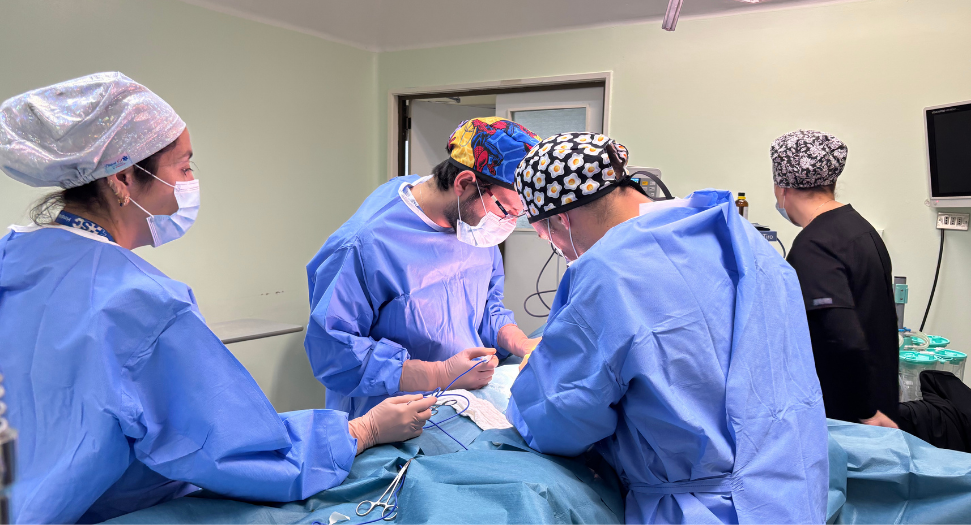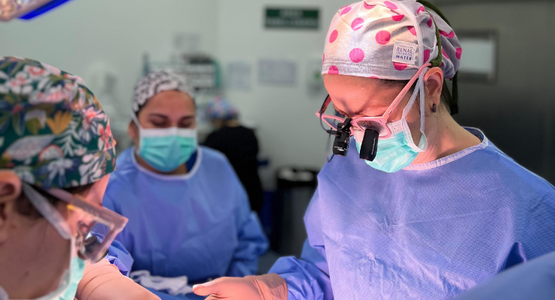
This year, MATER has been able to care for more children in various parts of Chile, thanks to the grant from the Alegría Fund.
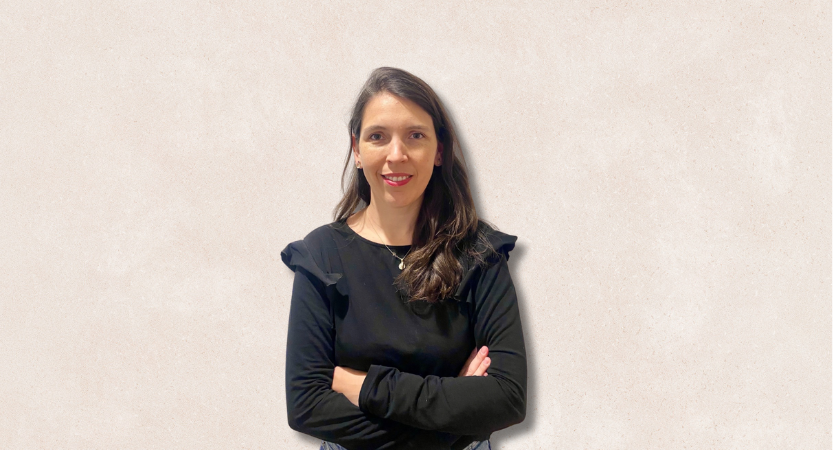
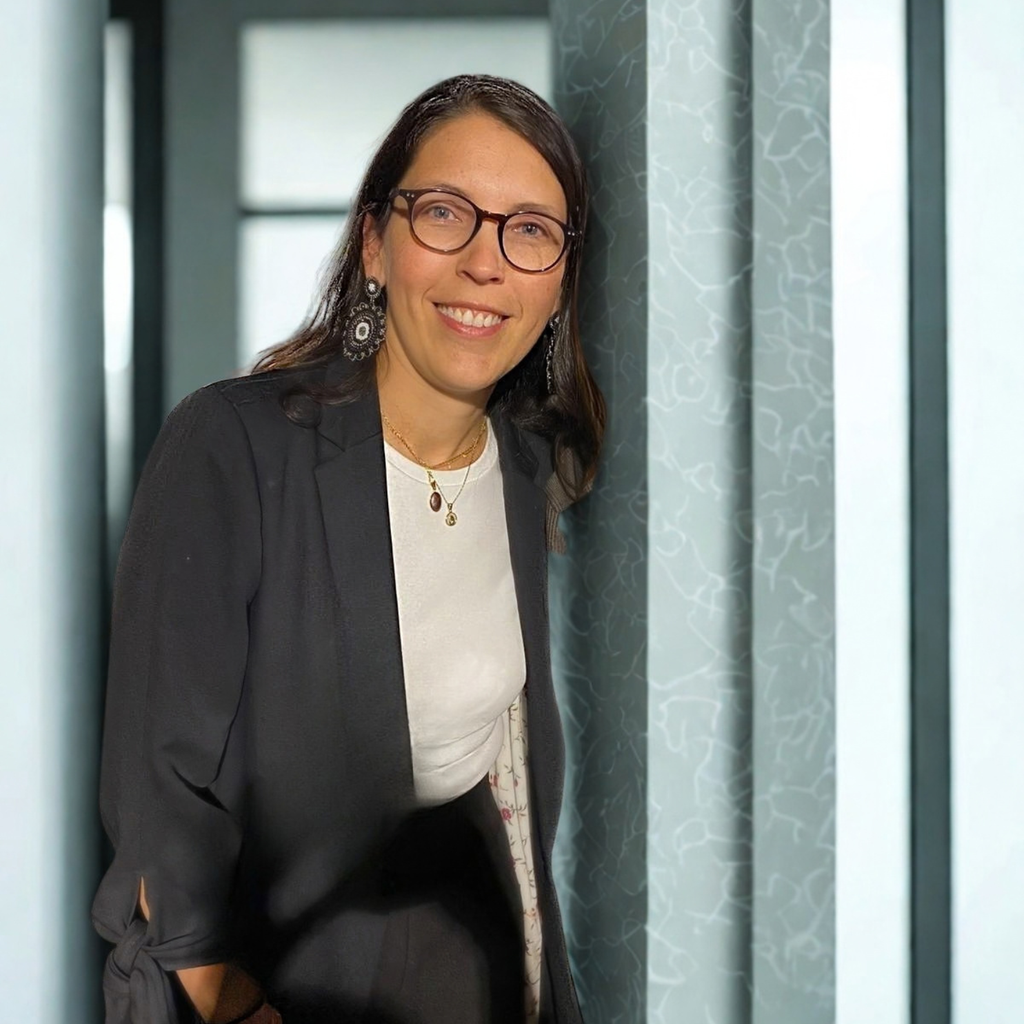
We spoke with Rocío Espinoza, executive director of Fundación Alegría, to learn more about the foundation’s work and its current partnership with Corporación MATER, which is united by a common goal: to provide children with timely, high-quality health care.
Fundación Alegría has focused on alleviating children’s physical pain and supporting children who are dealing with complex illnesses. How did you come to this cause, and what did you find about it that made you commit to it?
In philanthropy, focus is essential. Social needs are endless, and no single organization can address them all. To make real progress, we must decide where to concentrate our efforts and resources. We have chosen an intersection that we consider a priority: health, children, and pain.
Along the way, we discovered something that inspired us: there are many organizations, professionals, and teams working to alleviate that suffering, but they need resources, capabilities, and opportunities to do so on a larger scale.
That is our role. Fundación Alegría does not seek to do everything, but rather to connect resources with initiatives capable of making a real impact, so that those solutions can reach more children.
How did the collaboration with Corporación MATER come about, and what did they see in your work that made them want to get involved?
We first learned about MATER as one of the winners of the Alegría 2026 Fund. We saw in their work a great ability to address, manage, and solve specific health problems that directly affect children's lives.
Their work is directly aligned with our mission. Surgery can mean so much more than just solving a medical problem: it can mean that a child no longer feels pain and can walk again, play, go to school, or simply do what comes naturally to other children.
Fundación Alegría is also spearheading an initiative related to waiting lists for children’s care at the national level. How did this concern arise, what does the initiative entail, and what kind of change do they hope to help bring about?
This concern stems from a conviction: if we want to seriously address the issue of pain relief for children from a national perspective, we cannot remain indifferent to the children who are waiting for care.
We want to help shed light on this reality and, above all, generate information that will help us understand where the needs lie and how to mobilize resources and capabilities to address them.
We do not seek to replace the role of the government or that of healthcare teams. Our contribution comes from civil society: connecting organizations, resources, knowledge, and capabilities to drive solutions.
And there’s something that’s essential to me: a waiting list can’t just be a number. Behind every wait is a child who is growing up, a family waiting alongside him, and a pain that shouldn’t be prolonged unnecessarily. That’s what we want to help change.
The Alegría Fund supports projects that have a tangible impact on the quality of life of children and adolescents facing illness, pain, or complex treatments. This work is complemented by Conecta Alegría, our program designed to strengthen the capabilities of healthcare teams in Chile by connecting them with the advancements, knowledge, and experience available in other parts of the world. In this area, we have a very important partnership with Boston Children’s Hospital, which provides training opportunities and observerships for Chilean healthcare professionals.
When we talk about supporting an operation, it may sound a bit abstract. In practice, what does Fundación Alegría’s contribution enable, and how does it help more children gain access to surgery?
There is much more to a medical mission than just surgery. It involves medical teams, transportation, supplies, coordination, infrastructure, and many people working to ensure that a child can finally receive care.
Our contribution helps make that chain of events possible. And most importantly, it allows us to transform a resource into something very concrete: ensuring that a child who was waiting gains access to a solution that can change his or her life.
Based on the experience you've shared, what changes in a family's life when the surgery finally takes place?
It makes a huge difference, and we've seen it firsthand because we've been part of these medical missions.
First, of course, is the child’s physical relief. But there is also tremendous emotional relief for the entire family. Many families live for months with uncertainty, pain, and restrictions on their daily lives. When the surgery they’ve been waiting for finally arrives, something happens that is very important to us: the chance to look forward again.
A child can go back to school, play with friends, play sports, or simply stop thinking about the pain all the time. The family regains its independence, and out-of-pocket expenses for medications—which often have a profound impact on their finances—are reduced.
If you had to tell someone what Fundación Alegría is from a more personal perspective, how would you describe it, and what drives your work?
The Alegría Foundation holds a very personal significance for me. As a mother of three, it’s impossible not to be moved when I learn about the reality faced by so many children and families who live day to day with pain, complex illnesses, and circumstances that often prevent them from experiencing their childhood the way they’d like to.
When you have children, you inevitably put yourself in those families’ shoes and ask yourself, “What if it were my child?” That question is what drives our work every day.
For me, relieving pain means giving children back the chance to enjoy their childhood and smile again.