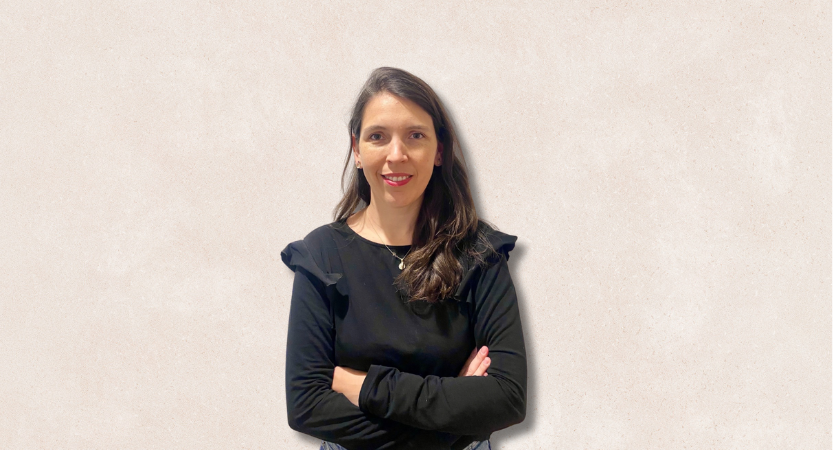

Paula Daza, a pediatric surgeon from the University of Chile, executive director of the Center for Public Policy and Innovation in Health at the Universidad del Desarrollo, and member of the board of directors of the Children's Renal Corporation MATER, was recognized as one of the 100 Women Leaders 2023 by Mujeres Empresarias and the newspaper El Mercurio.
During the pandemic, she was Undersecretary of Health and her contribution to the management of this health crisis was highlighted by all sectors, including the Minsal, the Ministry of Science, Entel and the Institute of Complex Engineering Systems of the University of Chile, which received the Franz Edelman 2022 award for their outstanding work against the pandemic. Today, she heads one of the female leaders in health that is appreciated for contributing to public policies and for seeking to generate changes so that the country has a fairer system for the physical and mental wellbeing of people.
Through the following interview, we were able to discover Paula's personality, which has always defined her as a close and very patient woman, a virtue that she constantly works from her passion for bakery and sourdoughs. As for her leadership, she is characterized by her adaptability, communication skills, conciliatory character, and the constant search for agreements between the sectors, generating a transversal trust.

What do you think is the main contribution of women's leadership in health with respect to current public policies?
"In the health world we have great female leaders in all aspects and in the generation of public policies. Female leadership has a more comprehensive understanding of health. In general, women are in charge of taking care of their families and their parents, and this gives them a more comprehensive vision of problems and a more preventive approach, which allows them to include all the actors in society. These aspects mean that women have an important implication in public policies. Particularly, one of the most relevant participations is in the vaccination programs, which are very successful; women have led the fulfillment of these programs, besides pushing preventive measures".
What have been the main challenges you have faced in your career?
"Personally, one of the most complex moments was when I became a mother, doing the pediatrics fellowship and having to take care of my son, while having a shift twice a week. It was a challenge to find the balance. Then, another important challenge was when I arrived at the Ministry of Health as undersecretary and I had to face the Pandemic. Being in a sanitary and political moment, with a great distrust in society, was an important challenge from the point of view of generating trust in the citizenship".
What inspires you in your work?
"I am inspired to be able to contribute to public health policies. We have tremendous challenges, not only to take care of diseases, but to develop efficient policies. I am inspired to contribute from a comprehensive perspective, working to provide greater access to the most vulnerable people, since people with resources can access better health."
One of Paula's workhorses is the elimination of cervical cancer, stressing that "it is a preventable cancer that affects women of productive age and, in general, the most vulnerable women. "It is a preventable cancer that affects women of productive age and, in general, the most vulnerable women. We have vaccines and by 2030 we could eliminate cancer. In Chile two women die every day".
He also acknowledges that his greatest contribution to the Corporation's board of directors is his knowledge of public policies and the needs of the public sector, concluding that "The Corporation has a mission to make children and adolescents with kidney problems visible. With an early diagnosis, the future can change".